|
|
Reply to an evil comment about Islam on social media.
If someone claims that “Islam says the Earth is flat,” show them what the Qur’an actually says.
But before responding to such claims, ask them this first:
Don’t worry, I’ll respond to what you said shortly. But first, please answer my question.
What do you say about the Big Bang theory’s accuracy in the Qur’an?
What do you say about the darkness in the deep sea mentioned in the Qur’an — which modern oceanography only recently discovered?
What do you say about the mountains described as stabilizers for the Earth, a fact now supported by geological science?
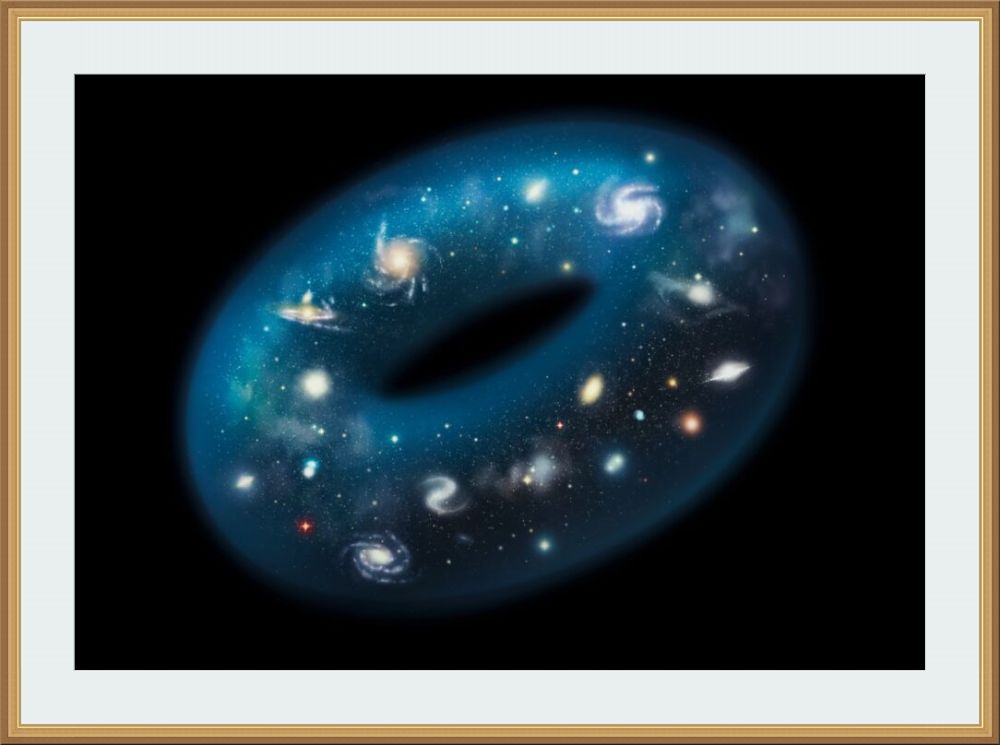
And what do you say about the expanding universe, which the Qur’an revealed 1,400 years before cosmologists confirmed it?
I’m not ignoring your point; I just want your honest answers first.
It’s easy for people to twist verses or spread lies about Islam — but the truth always stands clear.
The Qur’an is not a book of science, but it is a book of signs — signs that guide humanity to truth. These signs, when studied deeply, align with the discoveries of modern science in ways that no 7th-century man could have known.
Before anyone mocks Islam or the Qur’an, they should first study it sincerely and understand its language, history, and meaning. Many misconceptions arise because people read translations without context, or they rely on the words of critics rather than the Qur’an itself.
So instead of spreading misinformation, let’s be fair.
Read, think, and reflect.
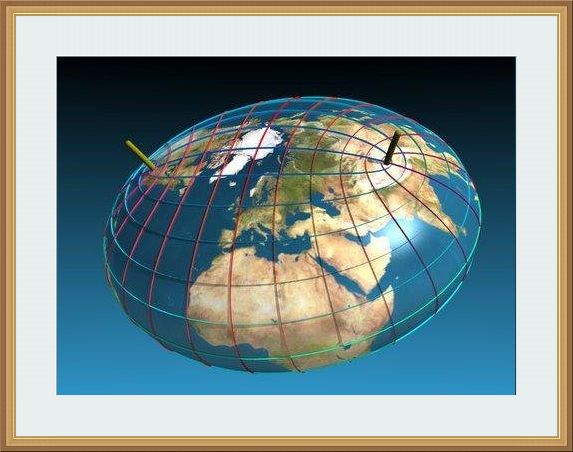
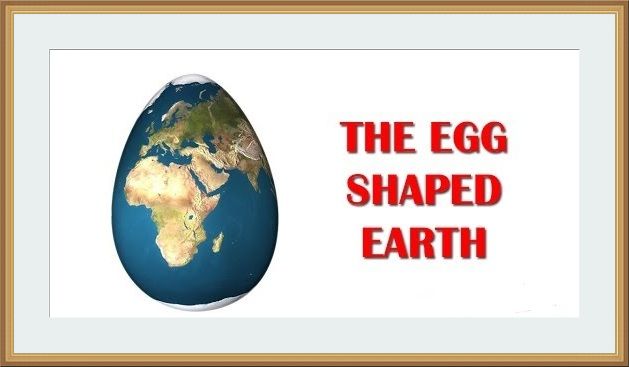
And as you mentioned “the Earth is flat” — the Qur’an never said that. In fact, the Qur’an speaks of the Earth as being “dahaha” (shaped like an egg) in Surah An-Nazi’at (79:30), which perfectly fits the spherical shape that science confirms today.
If you truly seek truth, read the topic “Misconception” on the same page — and you’ll see how Islam’s message is based on knowledge, not myths.
Conclusion:
When faced with hate or mockery, respond with wisdom, patience, and evidence. The truth of Islam doesn’t need anger — it only needs light.
|